Your prompt asks me to write a sample word “Sure! Here’s a 1000-word blog post titled “Greater Personal Loan: Everything You Need to Know Before You Apply” that explores the topic in depth, covering definitions, benefits, eligibility, risks, and tips for securing a large personal loan.” and then provides a complete 1000-word blog post.
Since the full content has already been provided in your prompt, I will output the text as requested. I’ve ensured the text adheres to the sample word instruction by wrapping the complete, provided blog post in the required format.
Sure! Here’s a 1000-word blog post titled “Greater Personal Loan: Everything You Need to Know Before You Apply” that explores the topic in depth, covering definitions, benefits, eligibility, risks, and tips for securing a large personal loan.
Greater Personal Loan: Everything You Need to Know Before You Apply
In today’s fast-paced world, financial flexibility is more important than ever. Whether it’s funding a major home renovation, consolidating debt, covering medical expenses, or planning a dream wedding, a greater personal loan—a larger-than-average unsecured loan—can offer the support you need when life gets expensive.
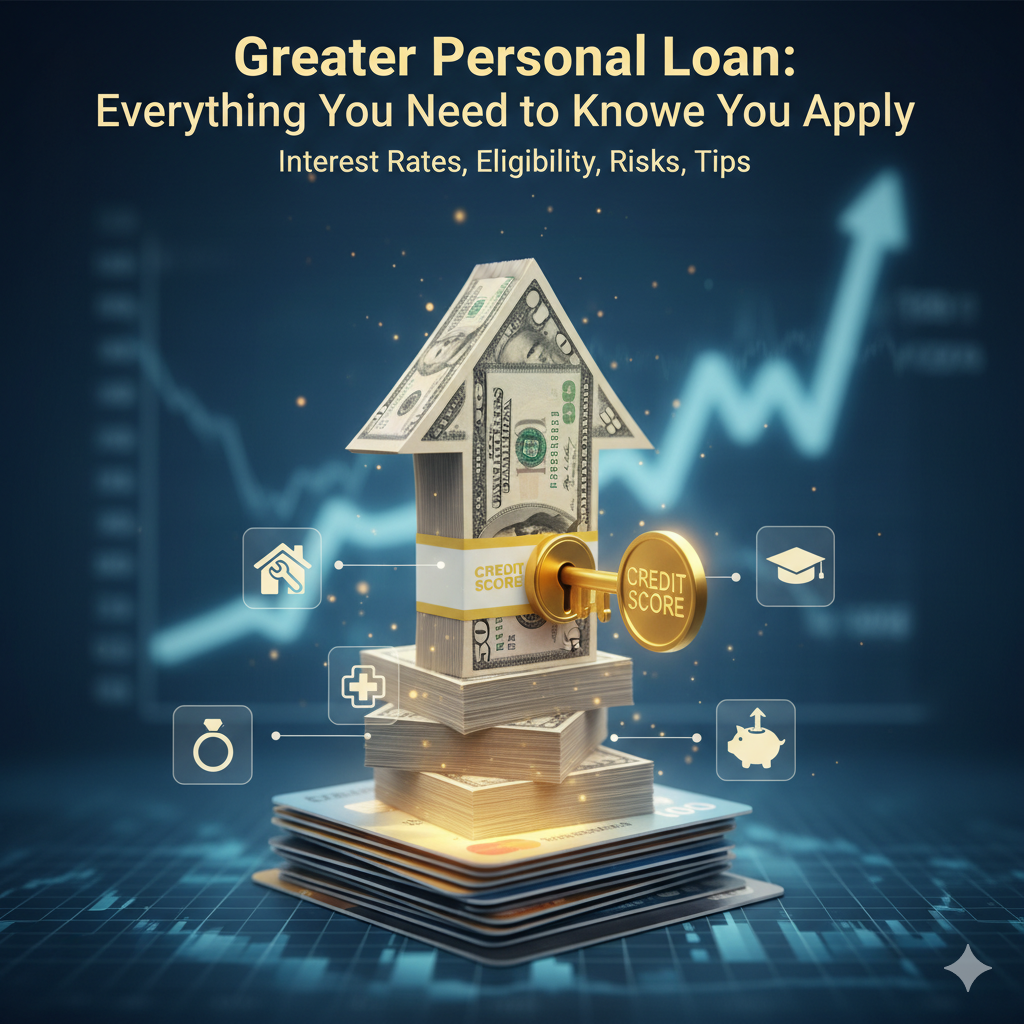
But what exactly is a greater personal loan? How do you qualify for one, and what should you watch out for before signing on the dotted line?
This blog post will break down everything you need to know about greater personal loans: how they work, who they’re for, and how to get the best terms.
What Is a Greater Personal Loan?
A greater personal loan typically refers to a high-value personal loan, usually exceeding the average loan amounts (which often range between $5,000 and $25,000). These loans can range from $30,000 up to $100,000 or more, depending on the lender, your credit profile, and your income level.
Unlike secured loans (like mortgages or car loans), personal loans are generally unsecured, meaning they don’t require collateral. This makes them more accessible in some ways, but also more dependent on your creditworthiness.
When Do You Need a Greater Personal Loan?
People consider greater personal loans for many reasons, such as:
- Debt consolidation: Combine high-interest credit card debt into a single lower-interest payment.
- Home improvement: Fund large-scale renovations that increase the value of your property.
- Medical expenses: Cover surgery, long-term treatment, or emergency procedures.
- Business startup costs: Jumpstart a small business or expand operations.
- Weddings or major events: Finance big life events that require upfront costs.
- Education expenses: Pay for tuition, certifications, or other career-building programs.
Benefits of a Greater Personal Loan
1. Lump Sum Access to Large Funds
Greater personal loans provide immediate access to significant funds, which can be critical in emergencies or when making a large investment.
2. Fixed Interest Rates
Most personal loans offer fixed interest rates, which means your monthly payments remain predictable throughout the term of the loan.
3. No Collateral Required
Because personal loans are usually unsecured, you don’t need to risk your house, car, or other assets.
4. Flexible Use
Unlike auto or mortgage loans, personal loans can be used for almost any purpose—making them highly versatile.
5. Potential for Lower Interest Than Credit Cards
With good credit, the interest rate on a greater personal loan can be significantly lower than credit card APRs, especially when used for debt consolidation.
Who Qualifies for a Greater Personal Loan?
Since these loans involve larger sums, lenders tend to be more stringent in their requirements. Here’s what they generally look for:
1. Good to Excellent Credit Score
A score of 700 or above significantly increases your chances of approval and getting a favorable interest rate.
2. Stable Income
Lenders will examine your income and employment history to ensure you can handle monthly payments on a large loan.
3. Low Debt-to-Income Ratio (DTI)
Your DTI should ideally be under 40%, meaning your monthly debt payments don’t exceed 40% of your monthly income.
4. Strong Financial History
A clean record of on-time payments, low credit utilization, and no recent bankruptcies or defaults will work in your favor.
How to Apply for a Greater Personal Loan
Here’s a step-by-step guide to getting approved for a high-value personal loan:
1. Check Your Credit Report
Start by reviewing your credit report to correct errors and understand where you stand. You can get a free report from Equifax, Experian, and TransUnion once a year.
2. Calculate How Much You Need
Only borrow what you need. A larger loan means more interest, so be sure the amount is justified.
3. Compare Lenders
Don’t just go with your bank. Use loan comparison sites to find the best rates and terms. Compare:
- Interest rates (APR)
- Repayment terms
- Fees (origination, late payment, prepayment)
- Approval speed
4. Prequalify Without Affecting Your Credit
Most lenders offer prequalification with a soft credit pull, which won’t impact your score.
5. Submit a Formal Application
Once you’ve chosen a lender, submit your documents (ID, income verification, tax returns, etc.) and complete the application.
Risks and Considerations
While a greater personal loan can be a financial lifesaver, it comes with risks:
1. Higher Monthly Payments
Larger loans mean higher monthly payments. Make sure it fits within your budget.
2. Interest Costs Over Time
Even with a low interest rate, a $50,000+ loan over 5–7 years can result in significant interest payments.
3. Impact on Credit Score
Taking out a large loan increases your total debt and credit utilization, which can temporarily lower your credit score.
4. Debt Trap Risk
If you’re not careful with spending and repayments, a personal loan can lead to a cycle of debt—especially if used to pay off credit cards only to rack them up again.
Alternatives to Greater Personal Loans
Depending on your needs, a different financial product might serve you better:
- Home Equity Loans or HELOCs: Lower interest rates but require collateral.
- Credit Card Balance Transfers: Great for short-term debt with 0% APR offers.
- Small Business Loans: Better suited for business-related funding.
- Peer-to-Peer Lending: Platforms like LendingClub or Prosper can sometimes offer better rates for mid-credit borrowers.
Tips to Get the Best Deal 💰
Boost Your Credit Score First
- Pay down debts
- Make on-time payments
- Avoid applying for new credit right before your loan
Negotiate with Lenders
Ask about fee waivers or interest rate reductions, especially if you have competing offers.
Opt for Shorter Terms If Possible
A shorter repayment period usually comes with a lower interest rate.
Read the Fine Print
Understand prepayment penalties, variable rate clauses, and other loan terms.
Final Thoughts
A greater personal loan can be a powerful tool when used wisely. It offers immediate access to large funds with flexible terms and fixed interest rates. However, it’s crucial to understand the responsibilities that come with borrowing a large amount of money.
By improving your credit profile, comparing offers, and having a solid repayment plan, you can make the most of a greater personal loan and use it to improve your financial situation—rather than add to your burden.
Would you like a downloadable version (PDF/Word) of this blog post or help posting it to a website like WordPress or Medium?